Structural damage
Structural damage tends to surface when a home has been stressed beyond what it was designed to carry. Storms, fire, falling trees, or long-term exposure can all compromise the systems that hold a structure together. In many cases, the full extent of the damage is not immediately visible.
Restoring a home after structural damage requires more than replacing materials. It involves understanding how forces move through the structure and how repairs will affect the building as a whole.
WHEN STRUCTURE IS COMPROMISED
Structural damage may affect framing, load paths, foundations, or connections between major components of the home. Even when damage appears localized, its impact can extend beyond the visible area.
Careful evaluation helps determine what must be addressed immediately and what can be resolved methodically. This clarity supports safer decisions and helps avoid repairs that solve one issue while introducing another.
REPAIR WITH LONG-TERM STABILITY IN MIND
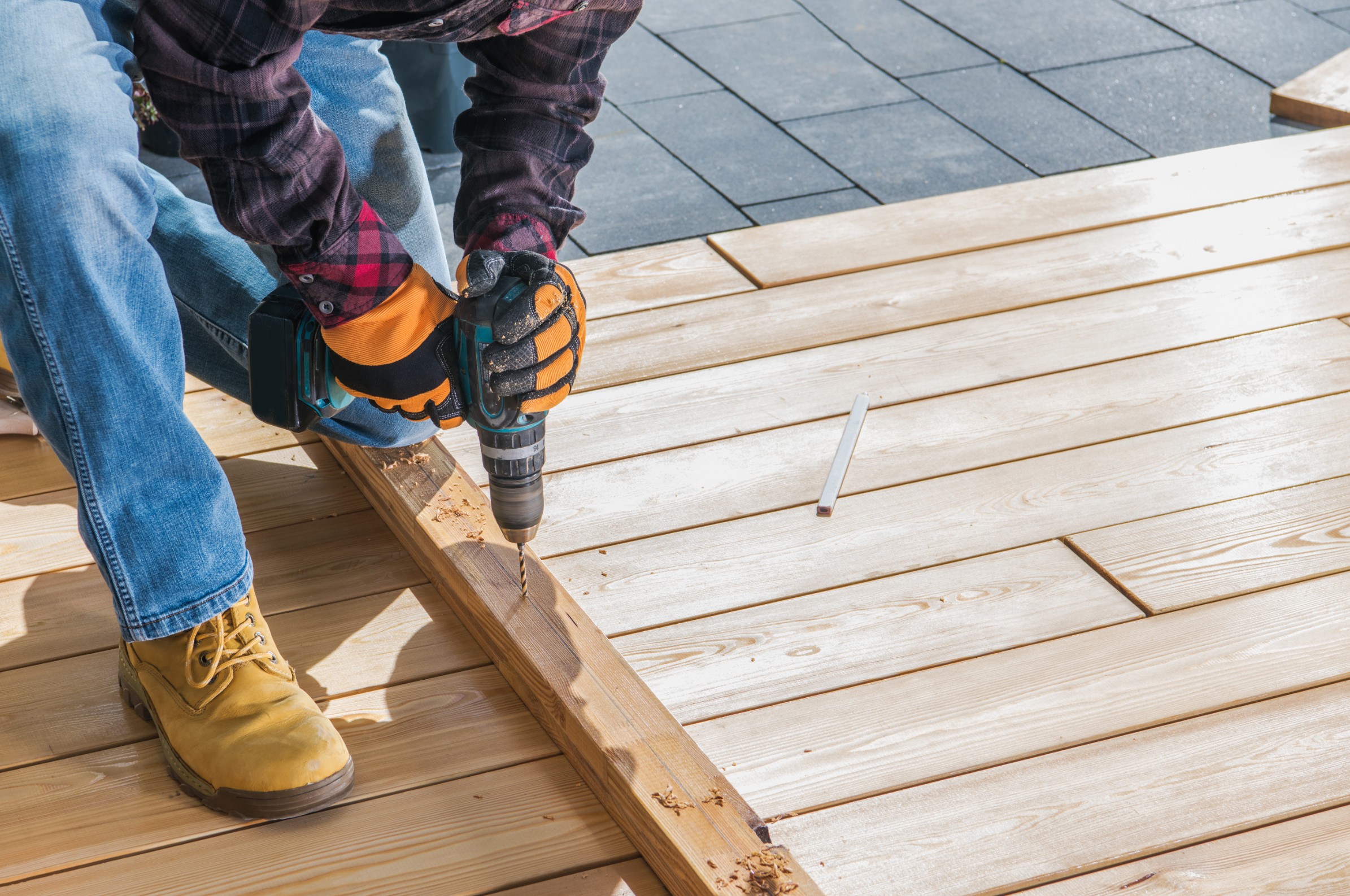
Structural repairs are most effective when they are guided by how the home needs to function over time. Temporary fixes or isolated solutions often fail to account for how systems interact under load.
Approaching repair work with long-term stability in mind helps ensure that corrections support the structure as a whole rather than masking deeper issues.
COORDINATION WITH ARCHITECTS AND ENGINEERS
Structural damage frequently requires collaboration beyond construction alone. Engineers may be needed to assess loads or design reinforcements, while architects may help integrate repairs with the existing design.
C.N. Romack regularly works alongside these professionals, offering walkthrough-style coordination so decisions are made with context rather than assumption. This approach allows the repair process to move forward cohesively, without homeowners having to manage multiple perspectives on their own.
STRUCTURAL DAMAGE AS PART OF RENOVATIONS & RESTORATION
Structural damage falls within the broader scope of Renovations & Restoration, where existing conditions shape both the process and the outcome. These projects often evolve as work progresses, making oversight and communication essential throughout.
Handled carefully, structural repair work restores confidence in the home while preparing it for long-term use beyond the immediate damage.
A MEASURED WAY FORWARD
Structural damage can feel overwhelming at first. As conditions are clarified and solutions take shape, the work progresses step by step.
With the right coordination and attention in place, restoration becomes a process of rebuilding stability rather than simply reacting to loss.
If you are dealing with structural damage and want to talk through what restoration may involve, you’re welcome to reach out.