Additions
Unlike renovations that focus inward, additions extend a home outward. They require attention not only to new construction, but to how the existing structure will carry, connect, and adapt over time.
BUILDING IN CONVERSATION WITH WHAT EXISTS
An addition is shaped as much by the existing home as by the new space being created. Structural systems, rooflines, circulation, and utilities all influence what is possible. The goal is not simply to add square footage, but to ensure the home continues to function as a coherent whole.
This work benefits from early coordination and a clear understanding of how new and existing elements will meet. Experience helps identify where continuity matters most and where adjustments can be made without compromising long-term performance.
DESIGN, STRUCTURE, AND SEQUENCING
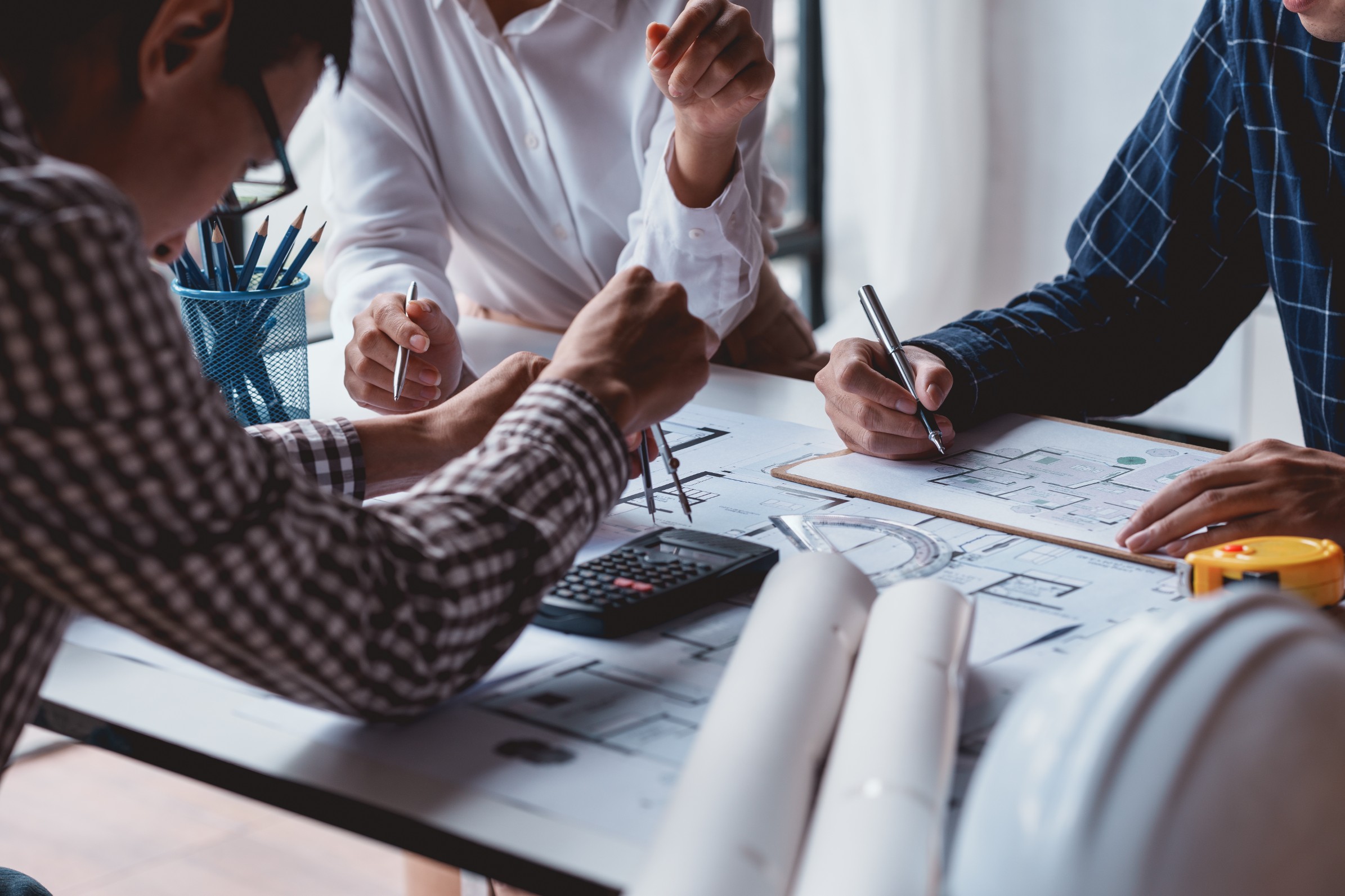
Additions often involve multiple layers of coordination. Design intent must align with structural realities. Permitting and approvals introduce timing considerations. Construction sequencing becomes important when work takes place alongside an occupied home.
C.N. Romack works with architects and engineers as needed to help ensure these pieces remain aligned. Walkthrough-style discussions and steady oversight allow decisions to be made with context as conditions evolve.
ADDITIONS AS PART OF NEW CONSTRUCTION
Although additions engage existing structures, they fall within the broader scope of New Construction. They require the same level of planning, coordination, and attention as ground-up projects, particularly when long-term durability and integration are priorities.
Approached thoughtfully, an addition becomes part of the home rather than something that feels attached later. That continuity is shaped early, through decisions that consider both present use and future needs.
A MEASURED PATH FORWARD
Additions rarely move in a straight line. As work progresses, conditions are clarified and choices are refined. With the right structure in place, the project advances steadily, balancing flexibility with precision.
The aim is not to rush the work, but to guide it in a way that supports both the home and the people who live in it.
If you’re considering an addition and want to talk through how it might take shape, you’re welcome to reach out.