Accessory Dwelling Unites (ADUs)
ADUs exist in close relationship to the primary residence. They must function independently while still integrating with the site, the structure, and local requirements. That balance shapes every decision that follows.
WHAT AN ADU REALLY IS
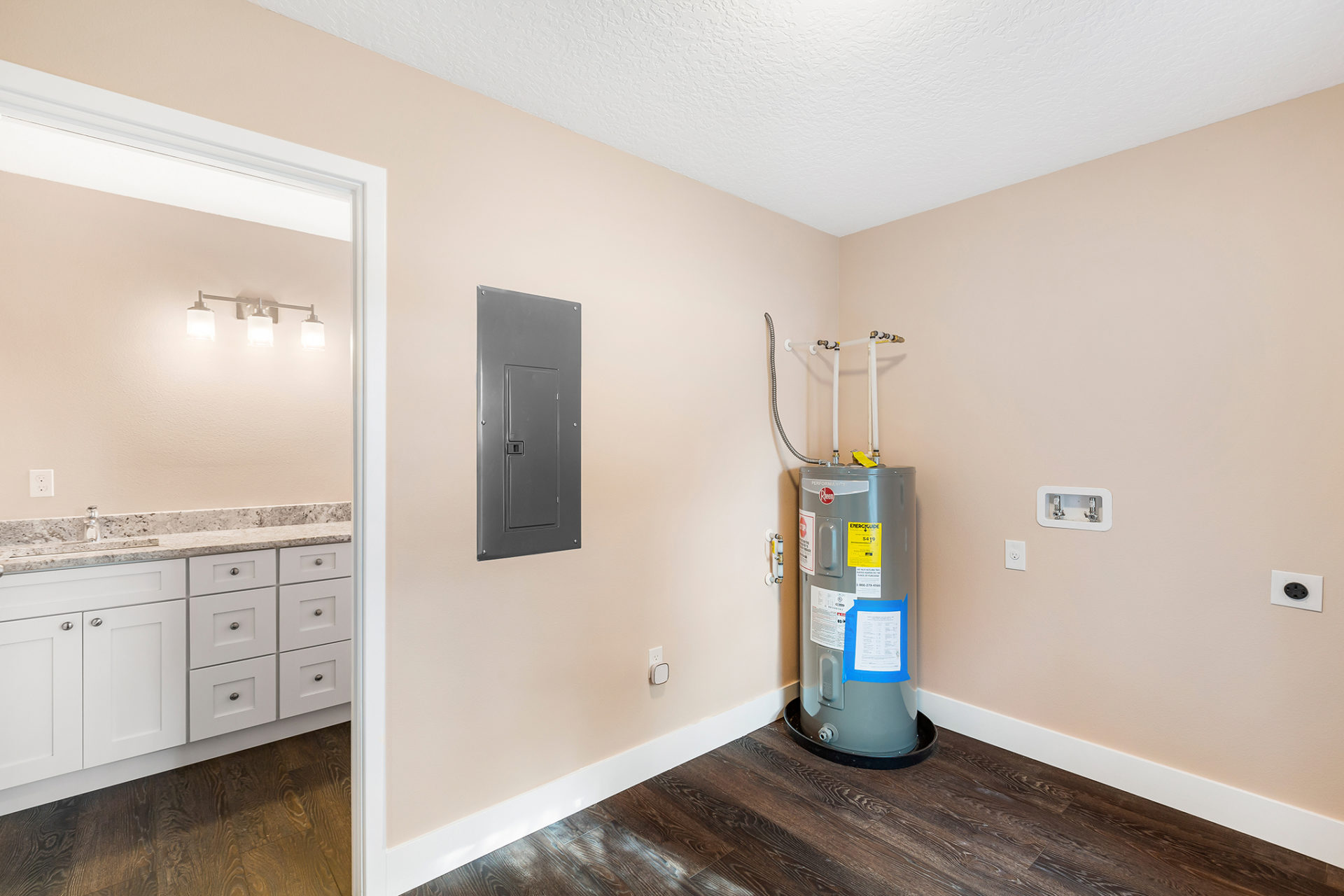
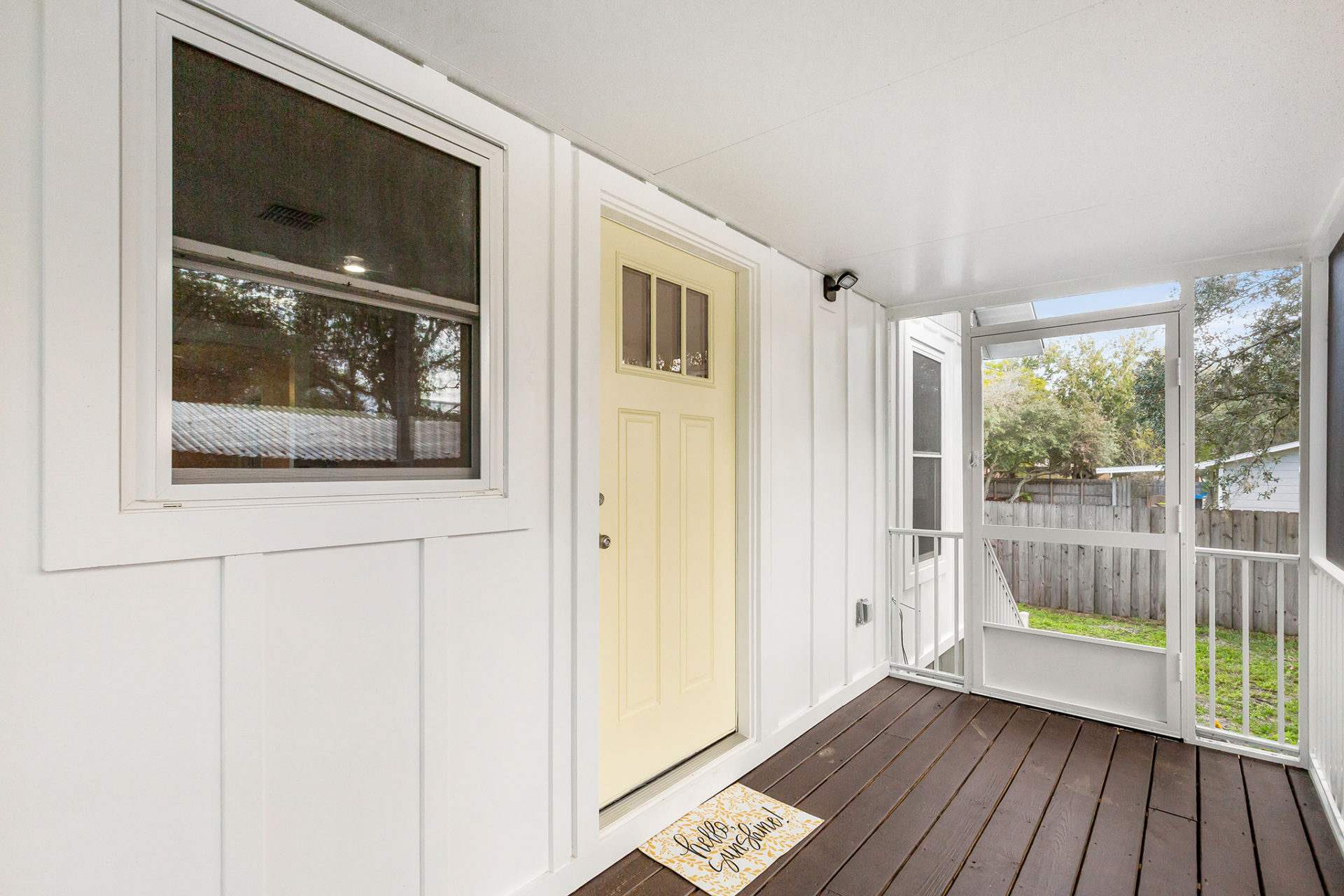
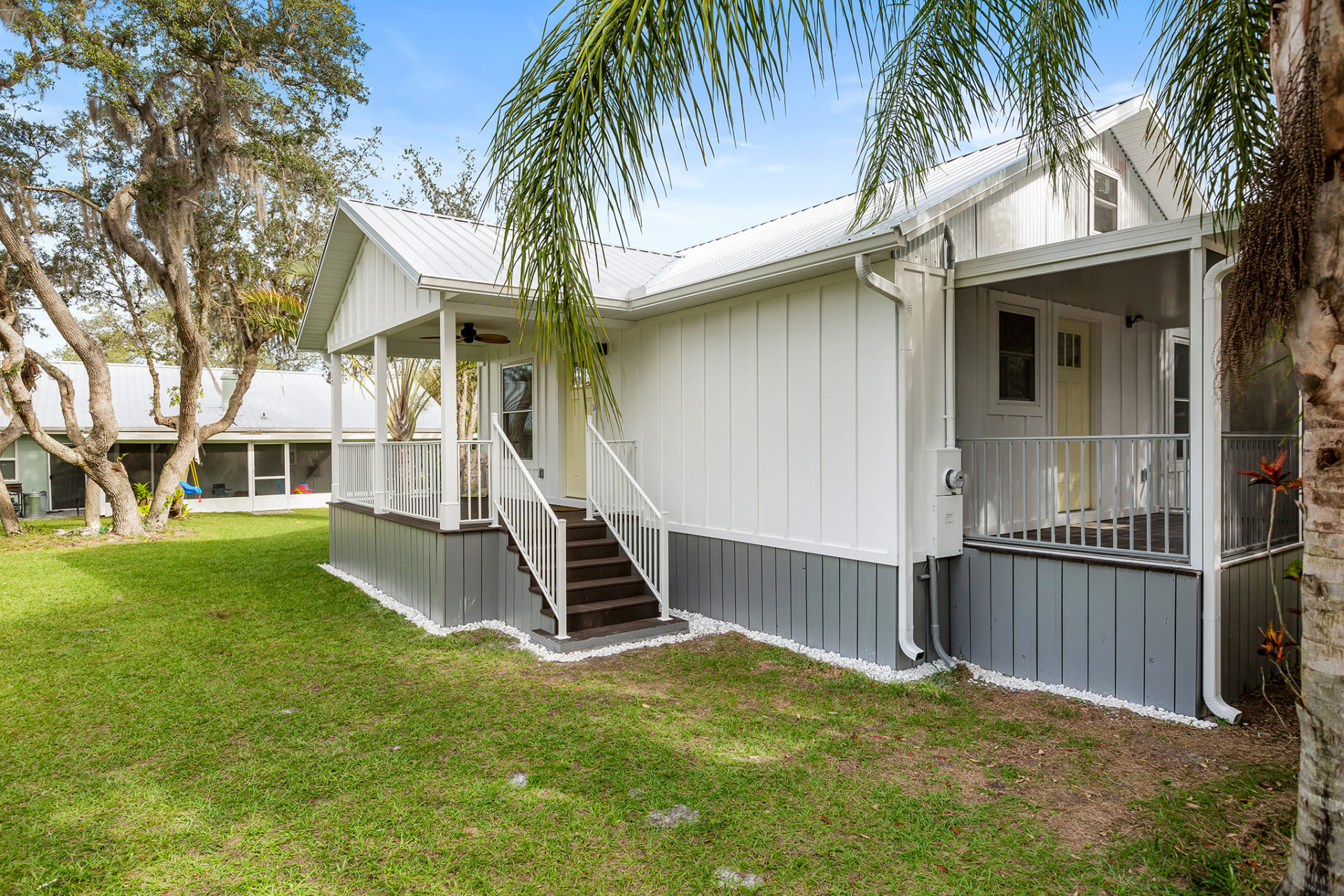
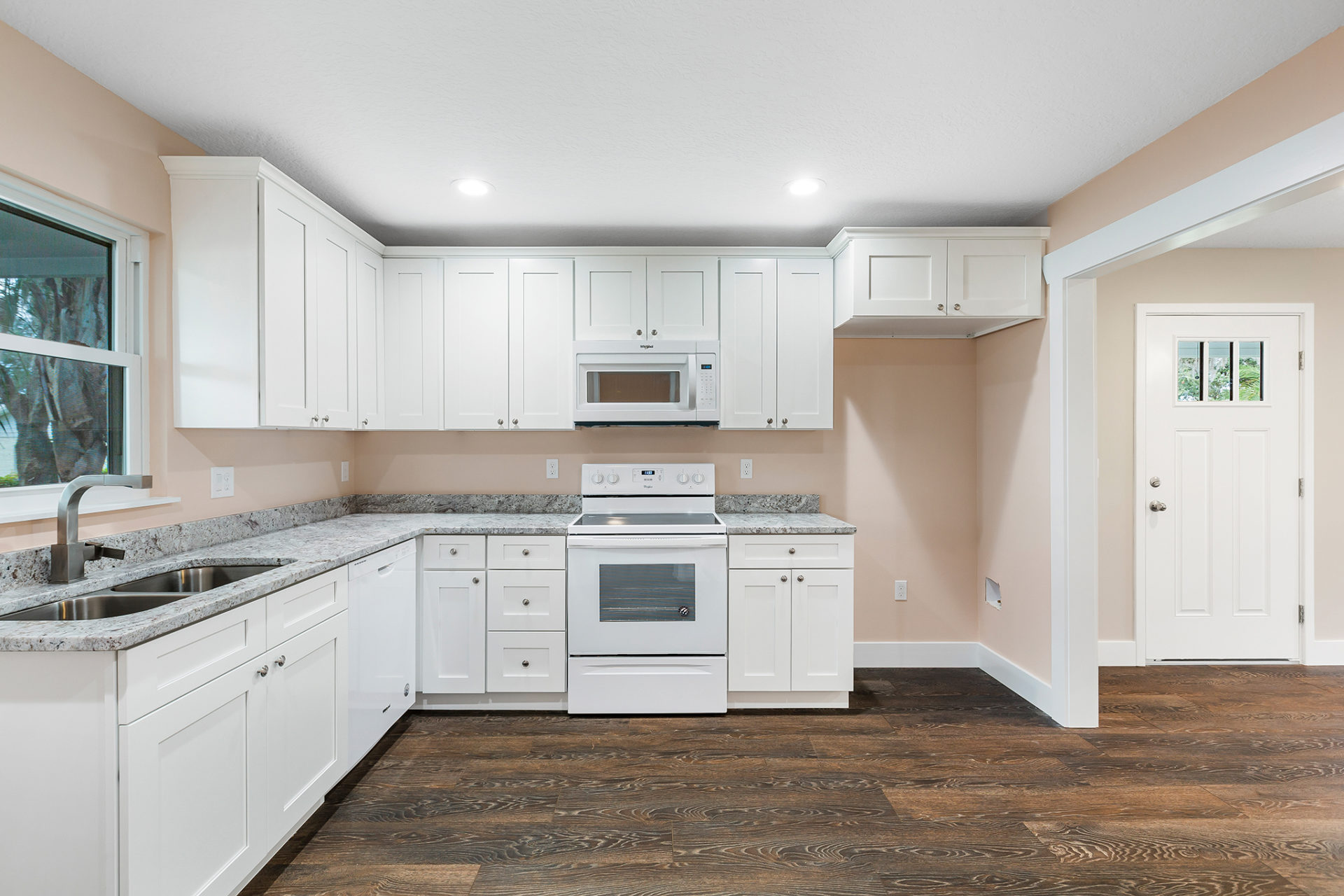
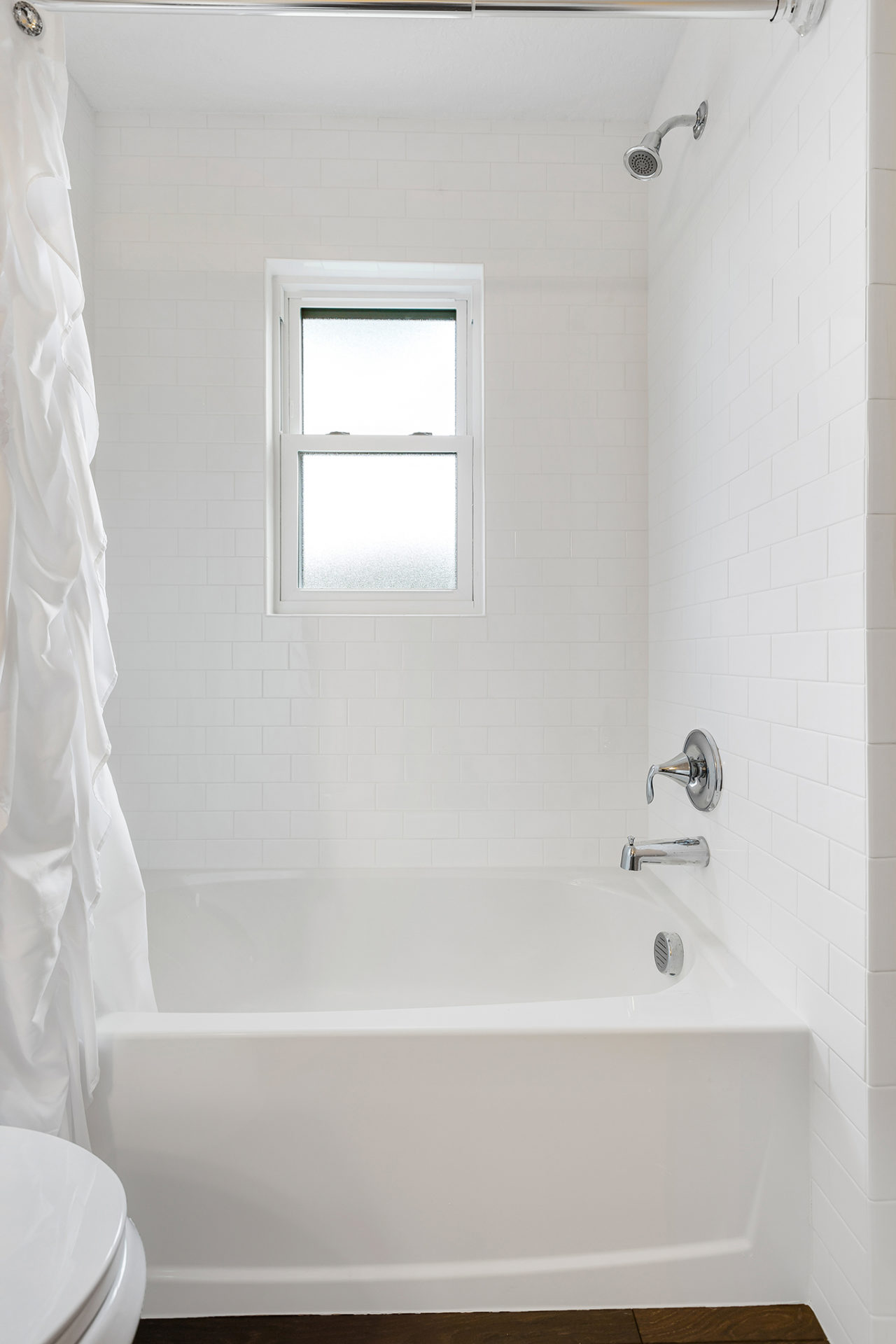
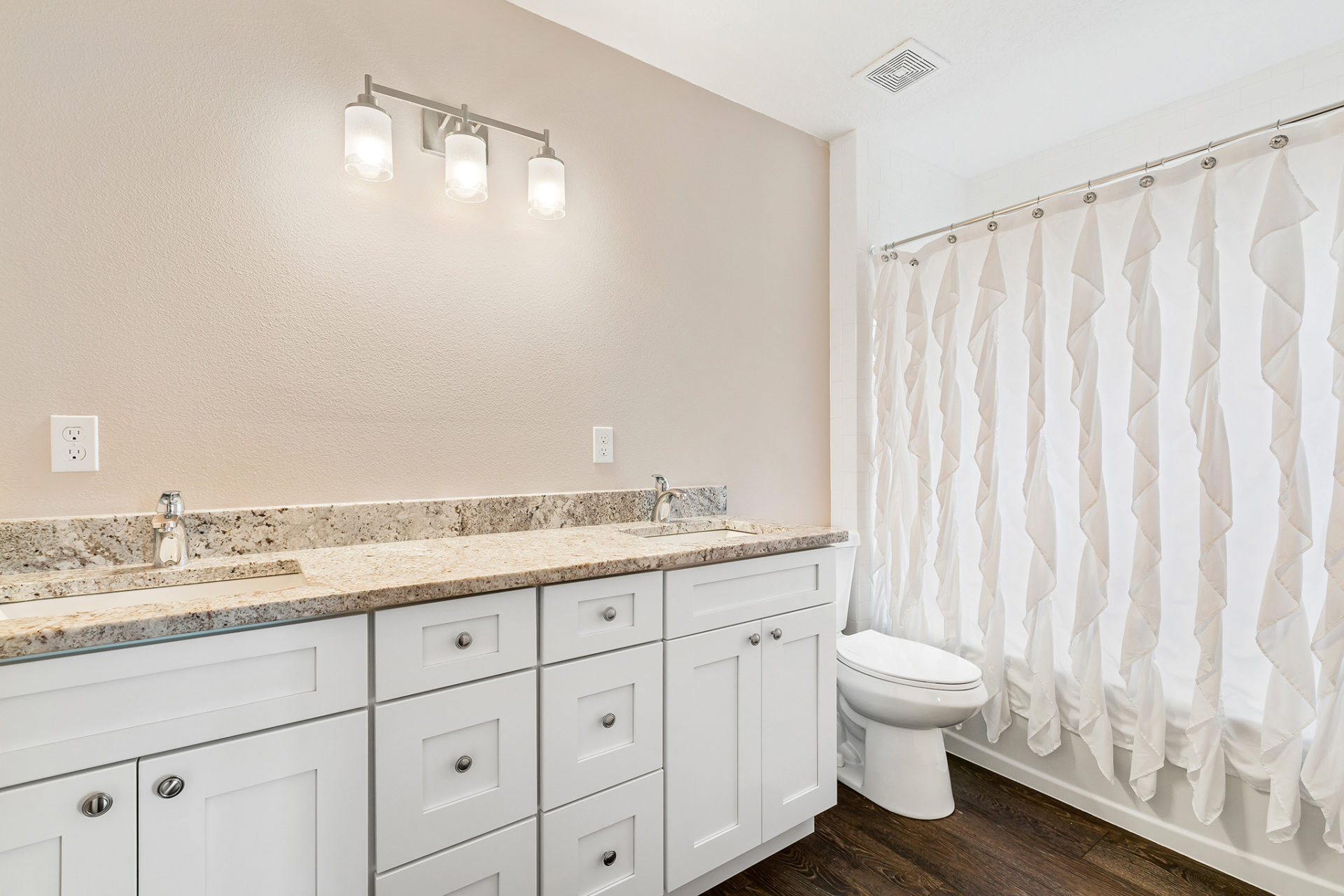
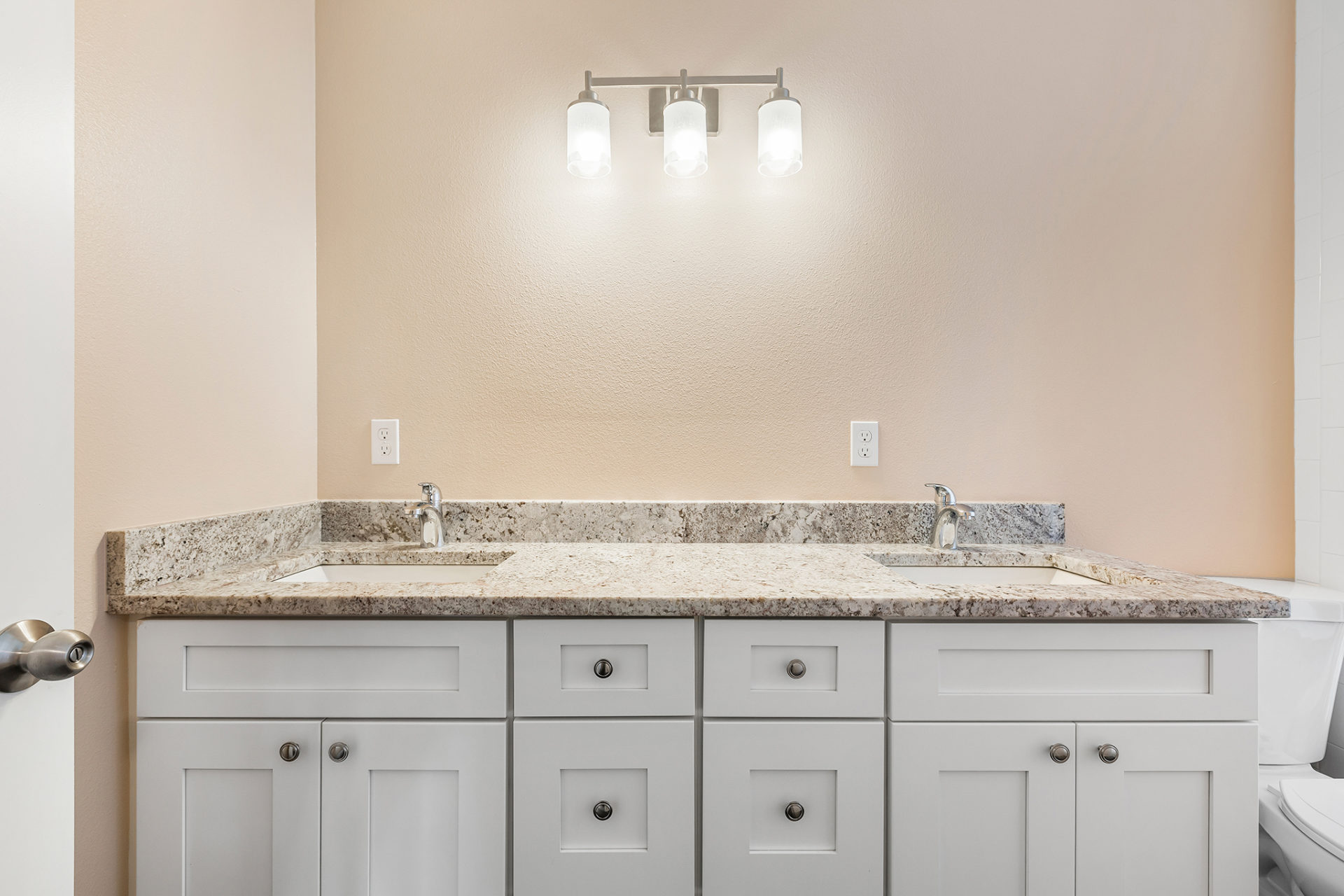
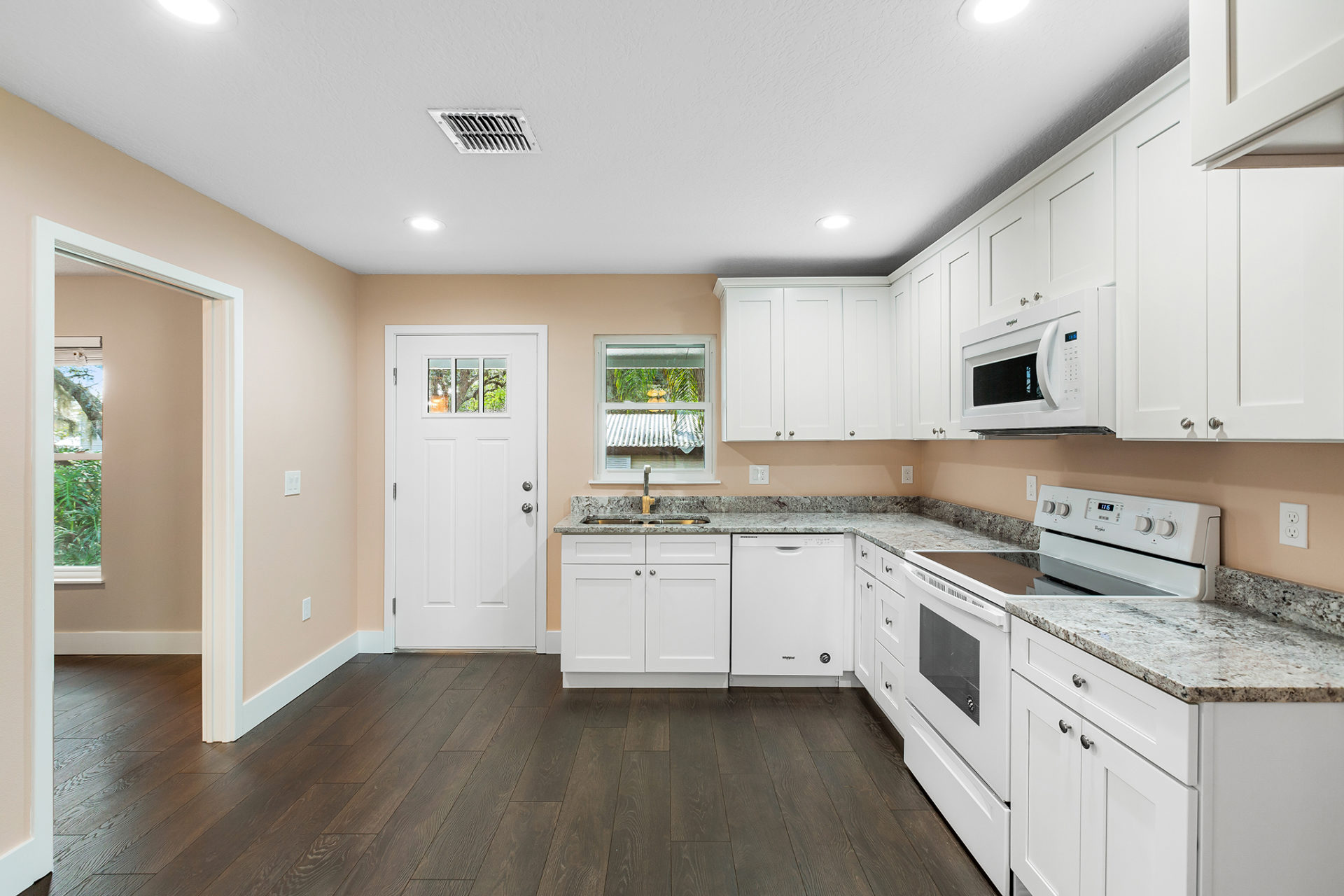
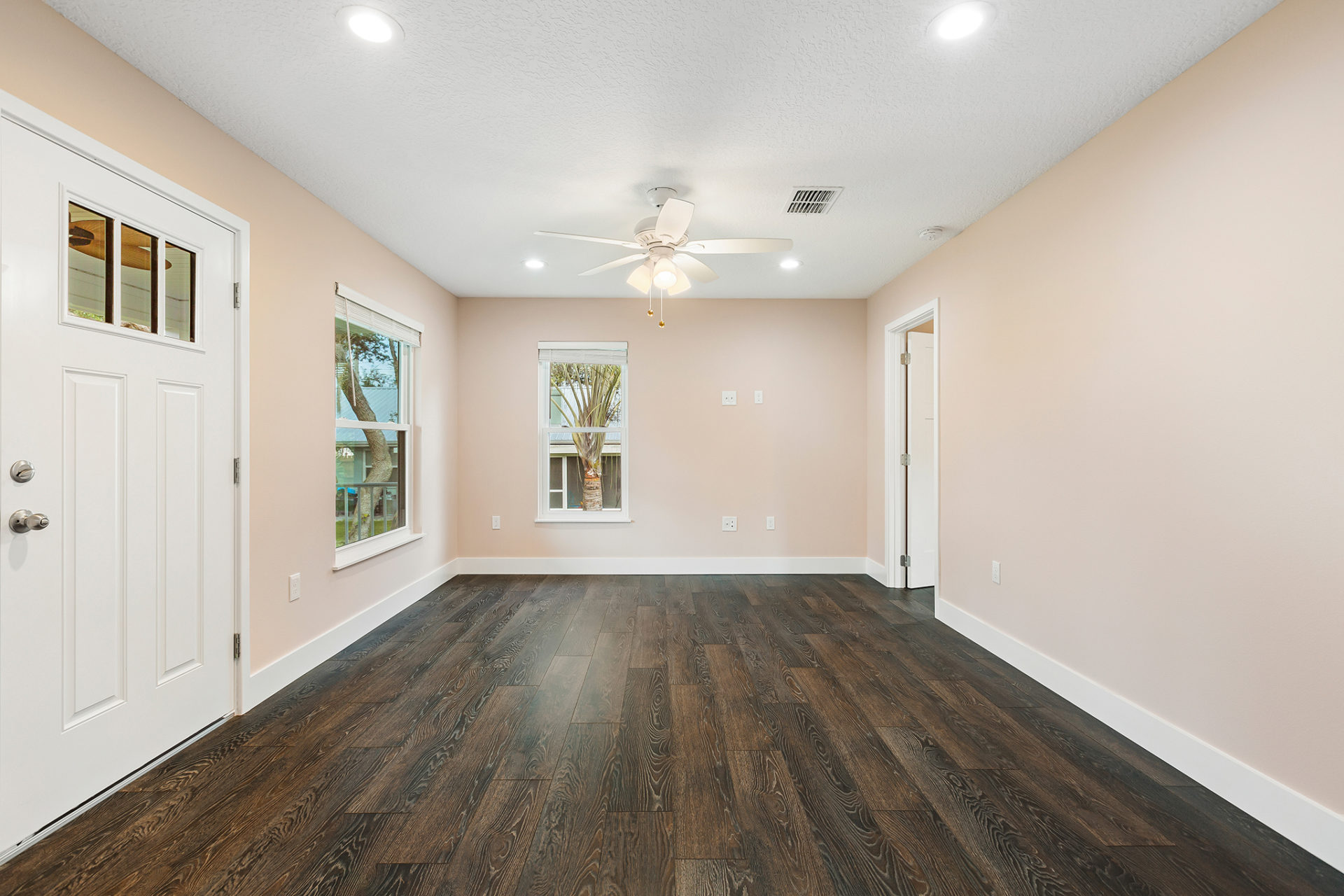
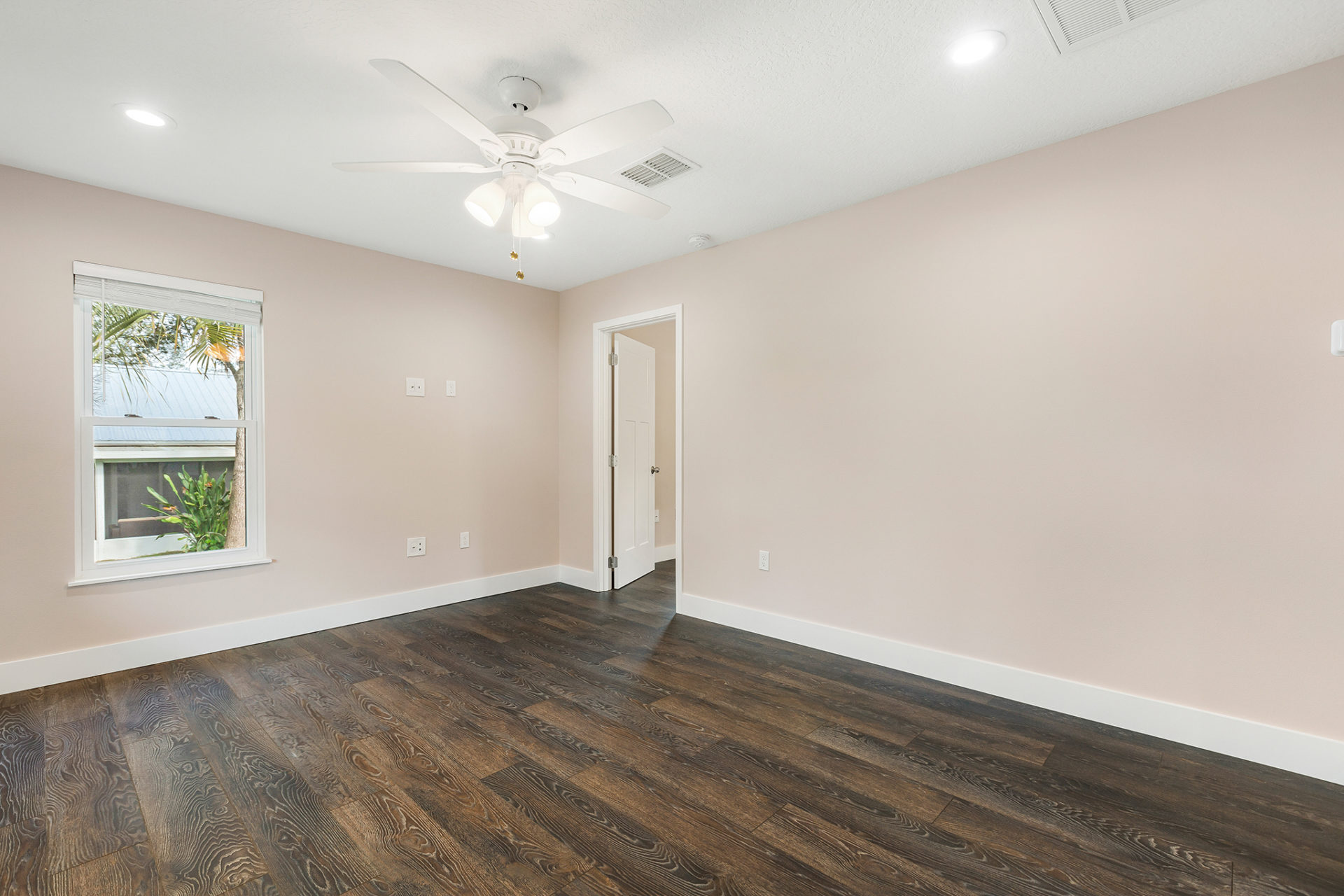
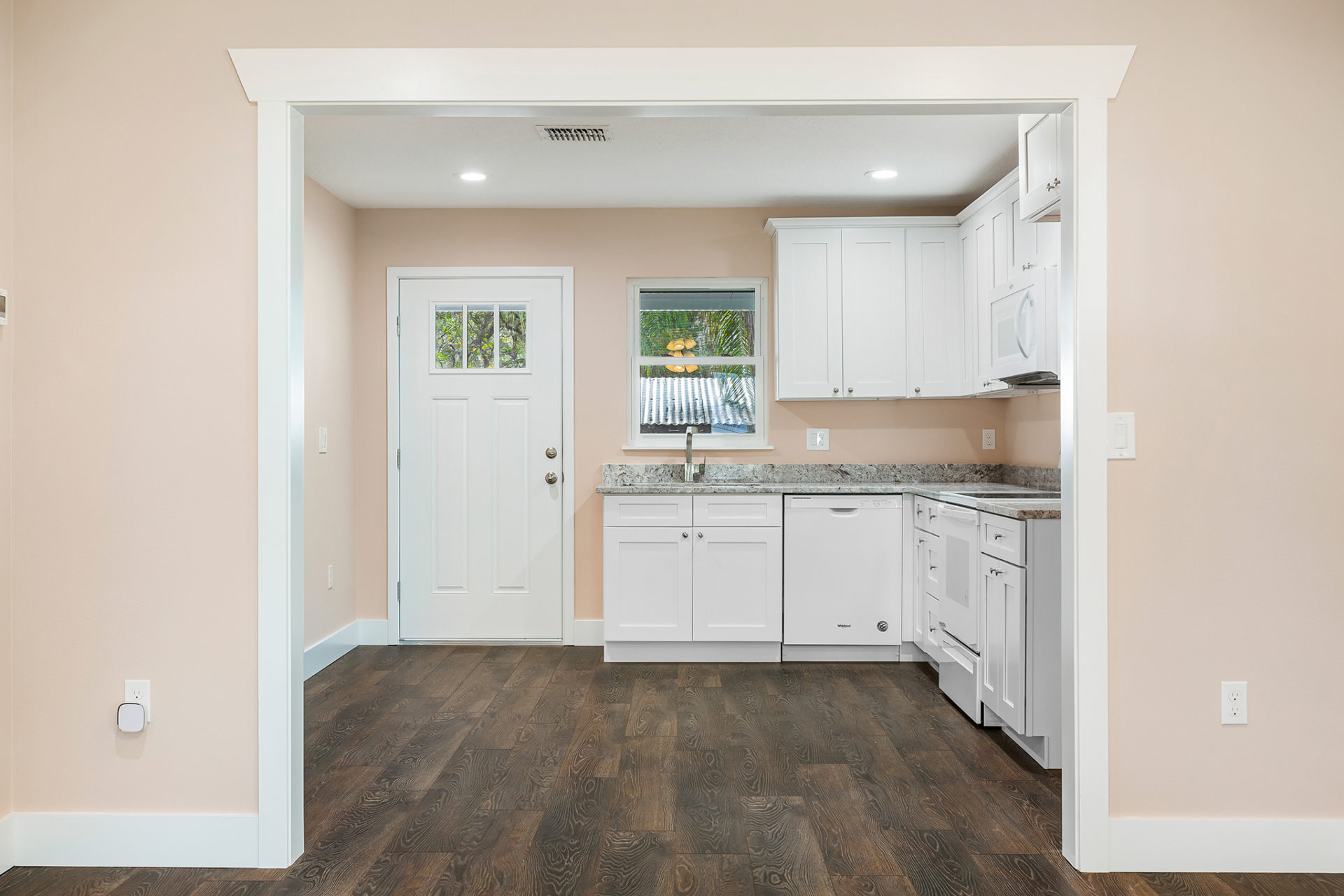
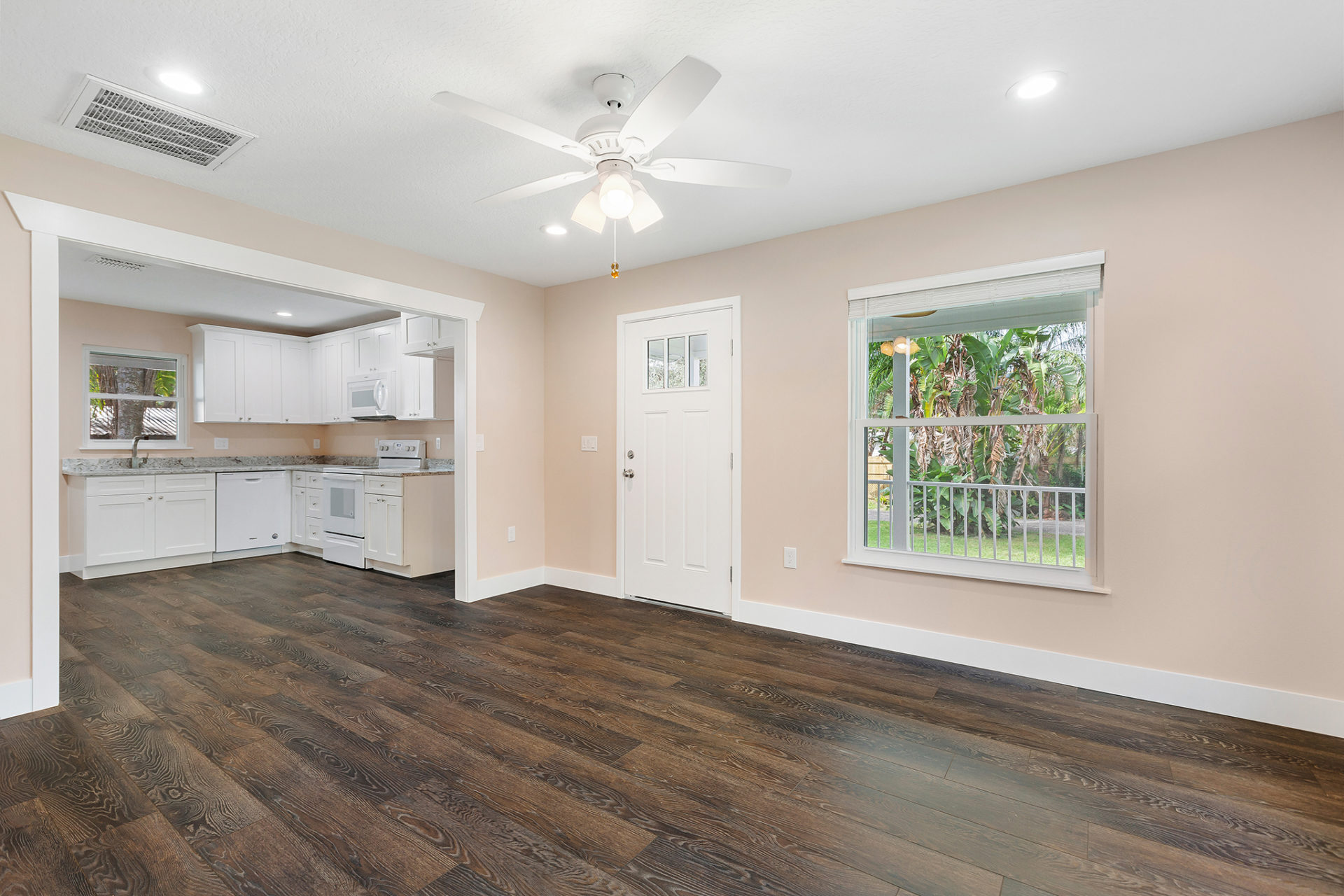
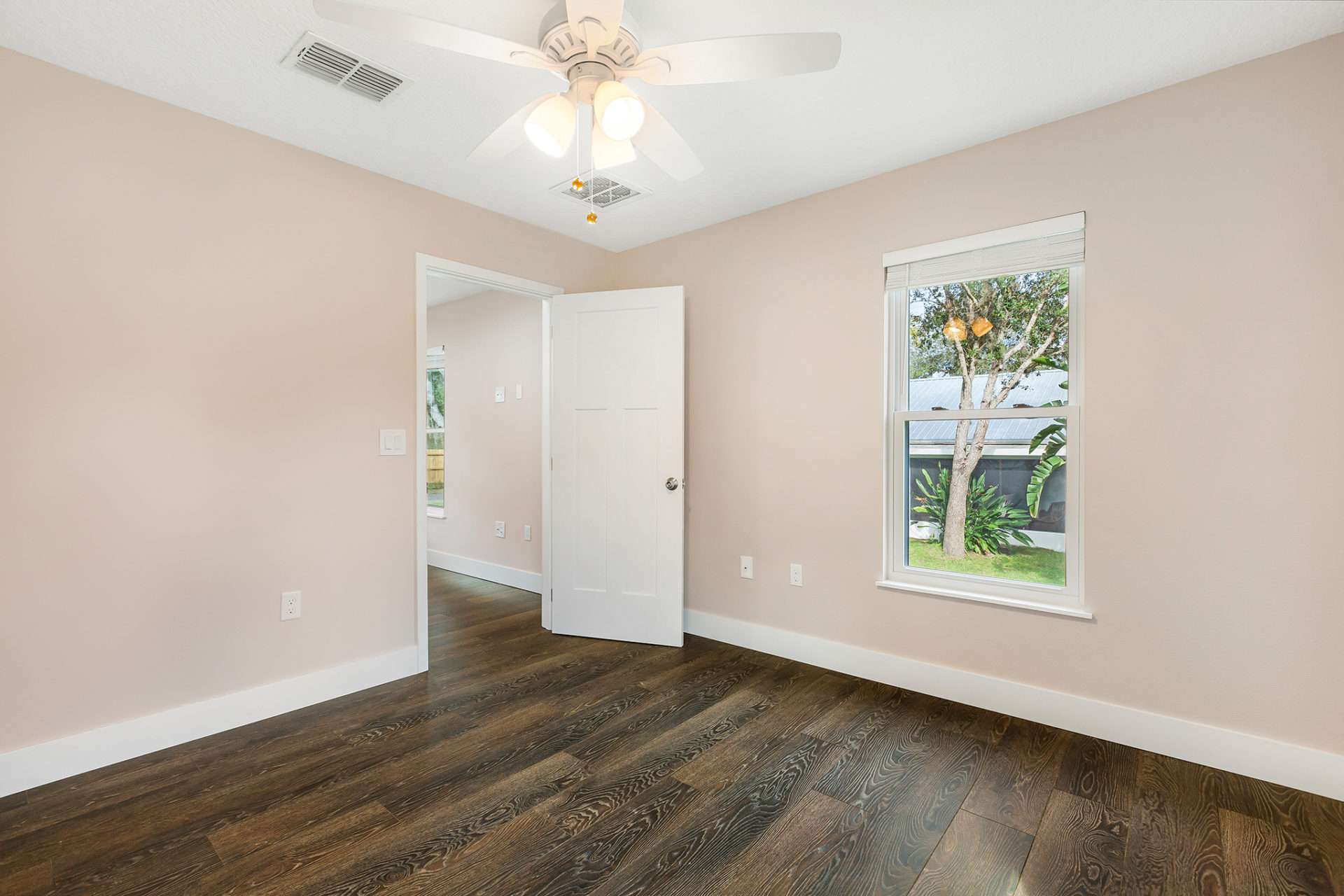
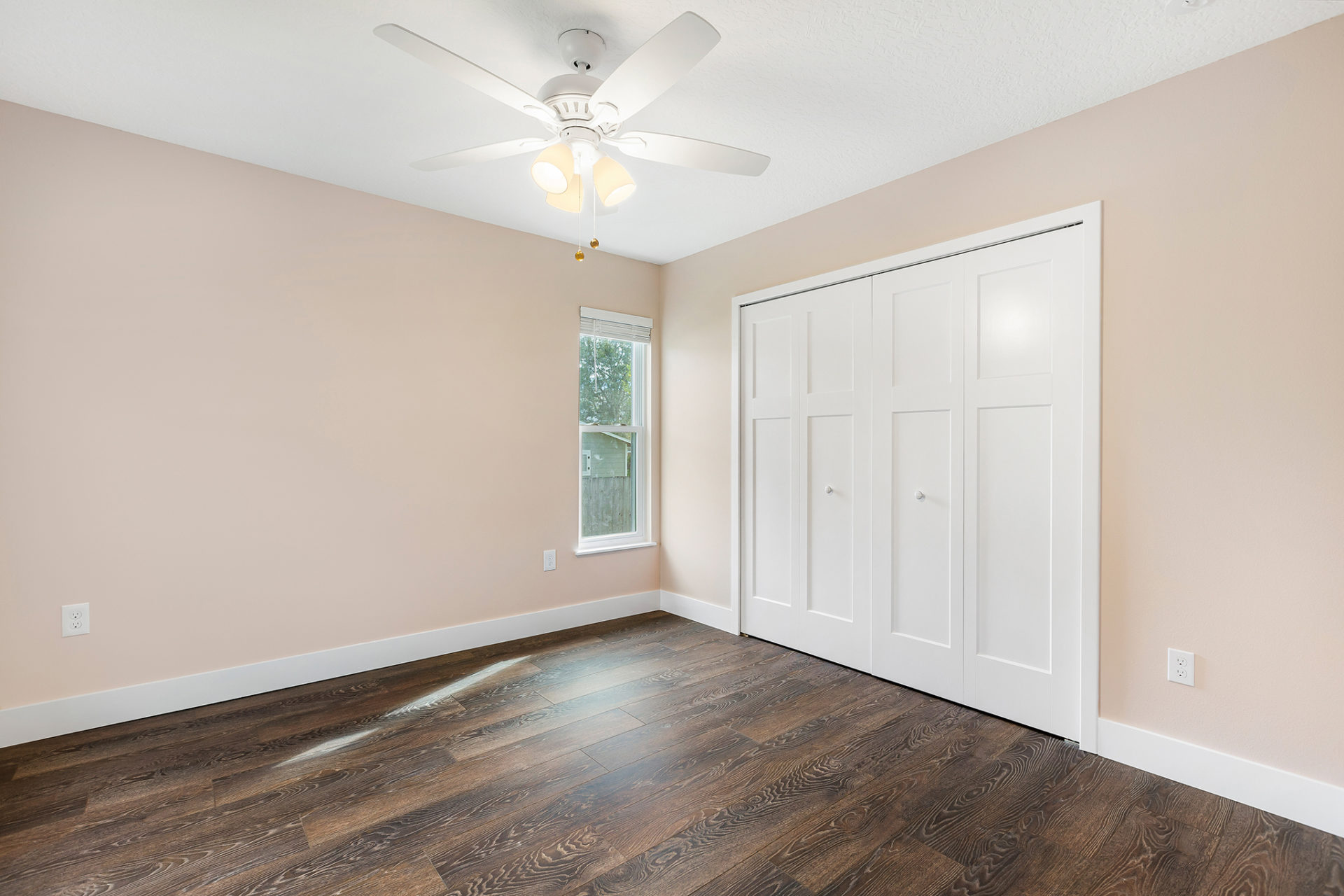
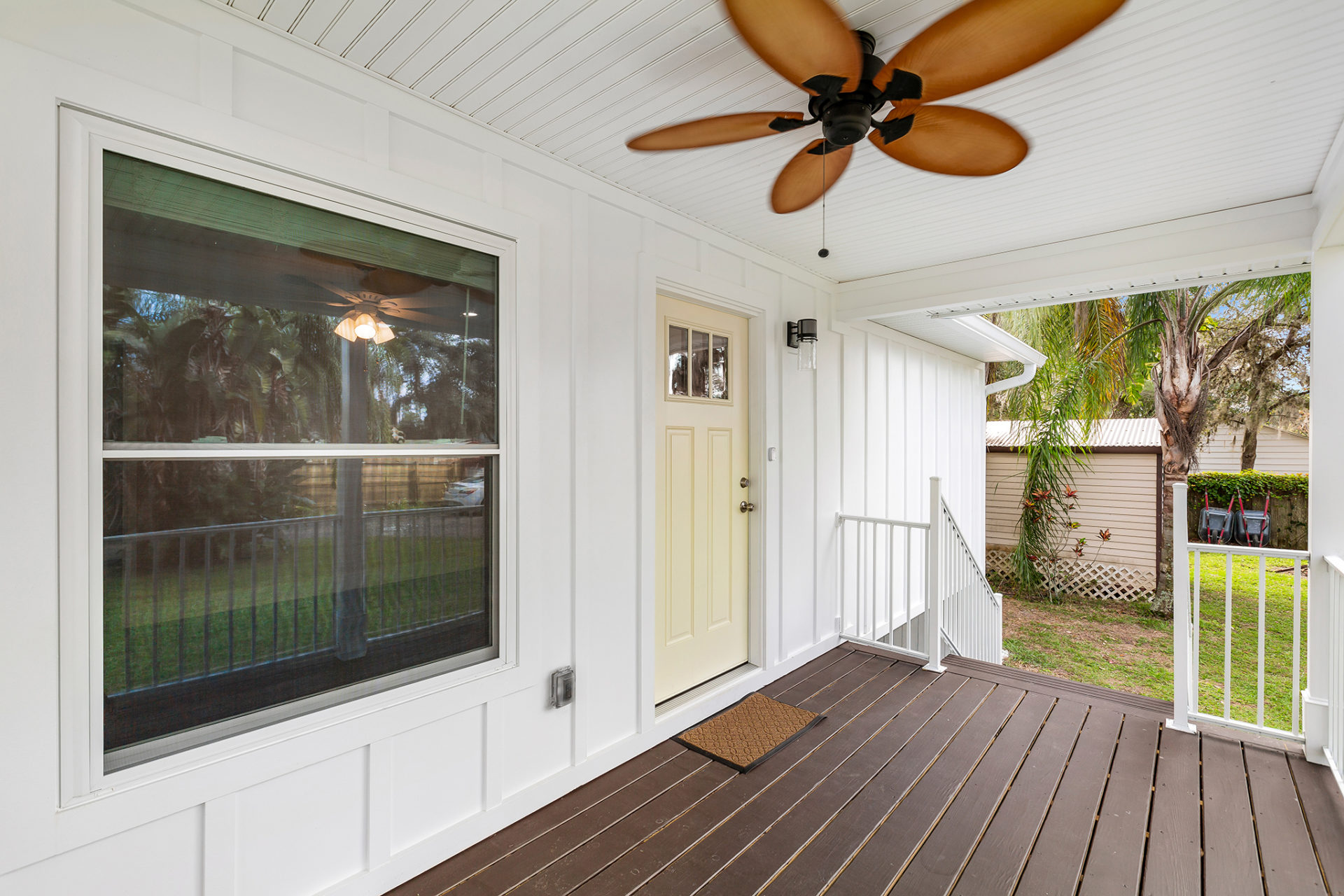
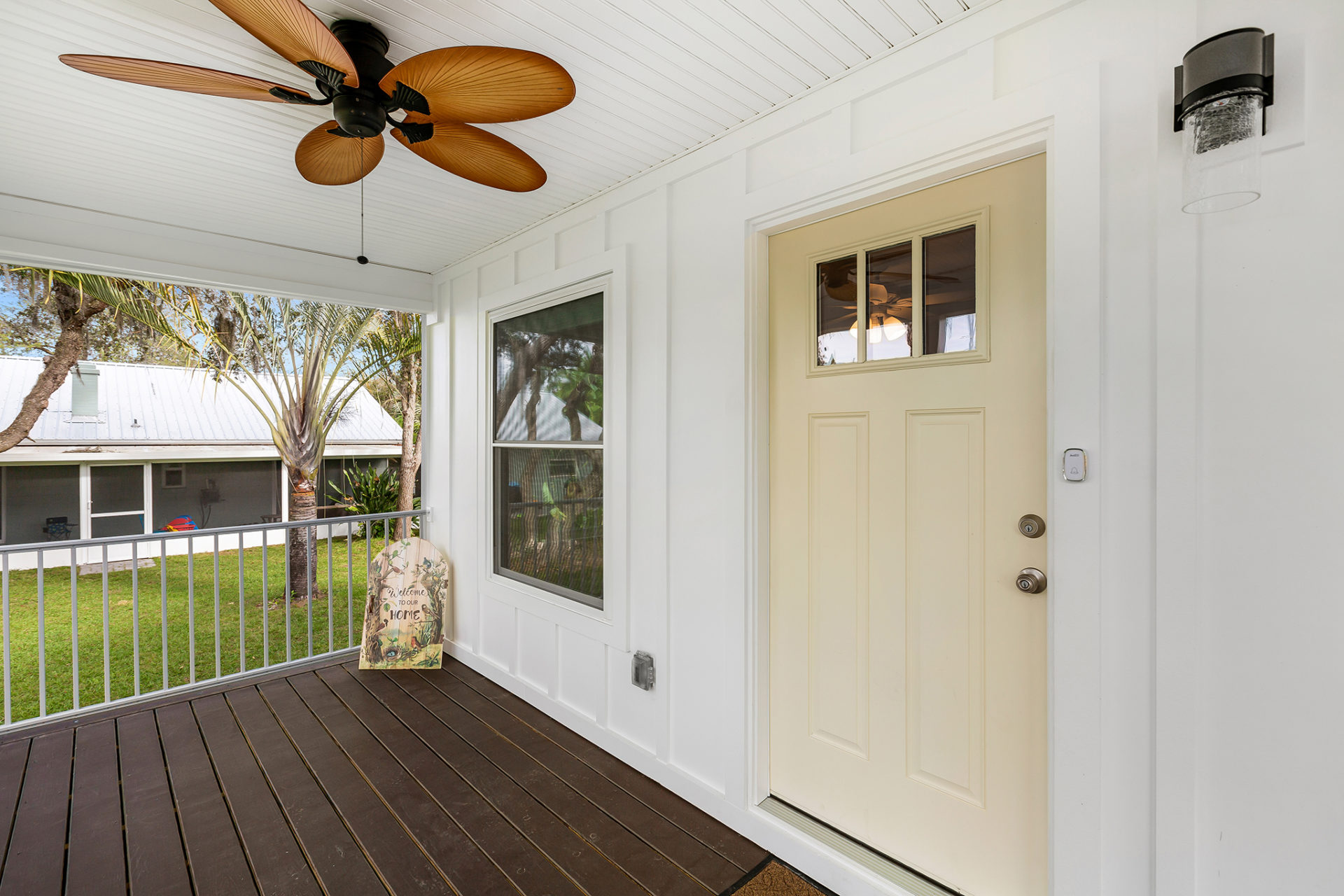
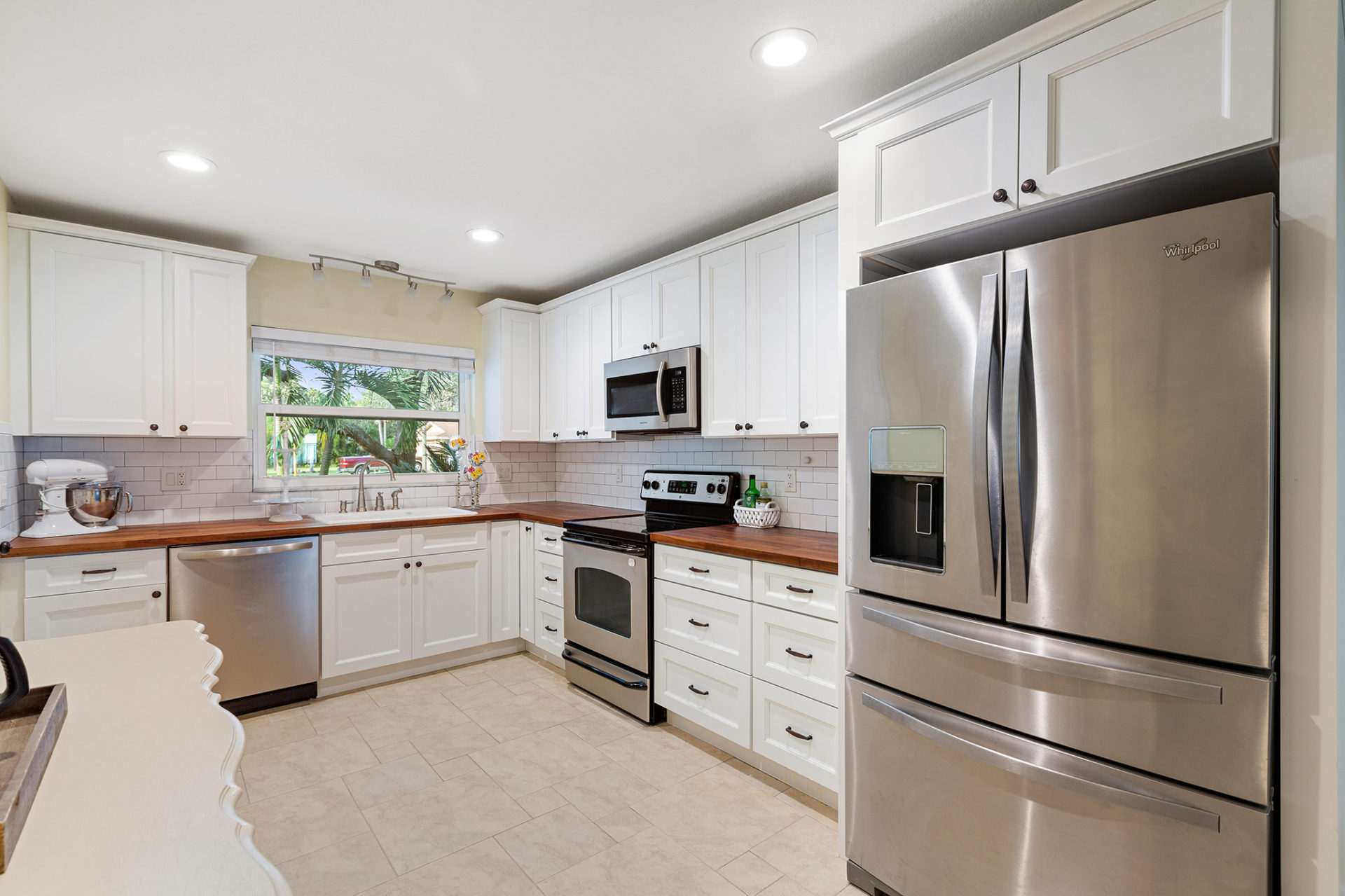
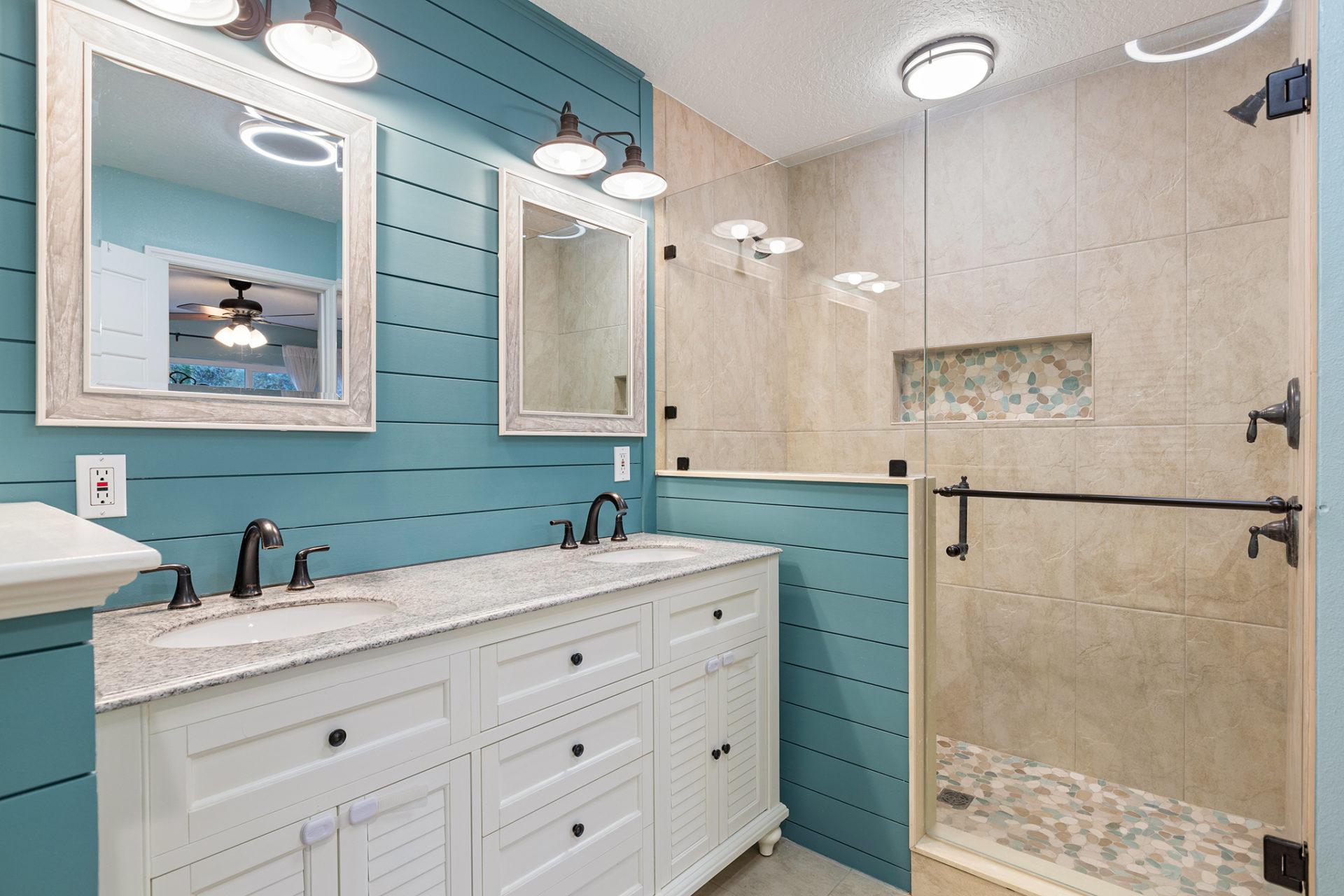
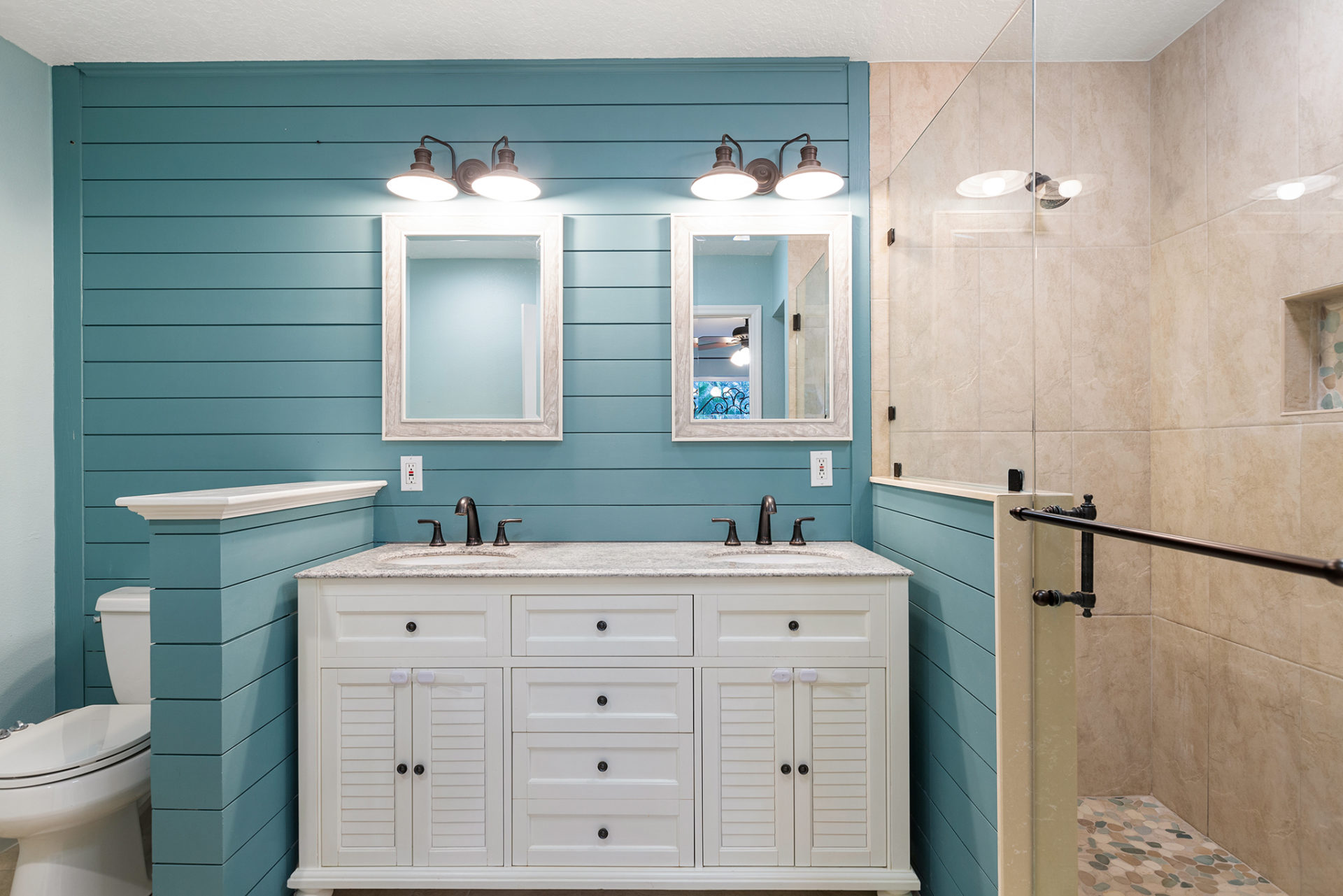
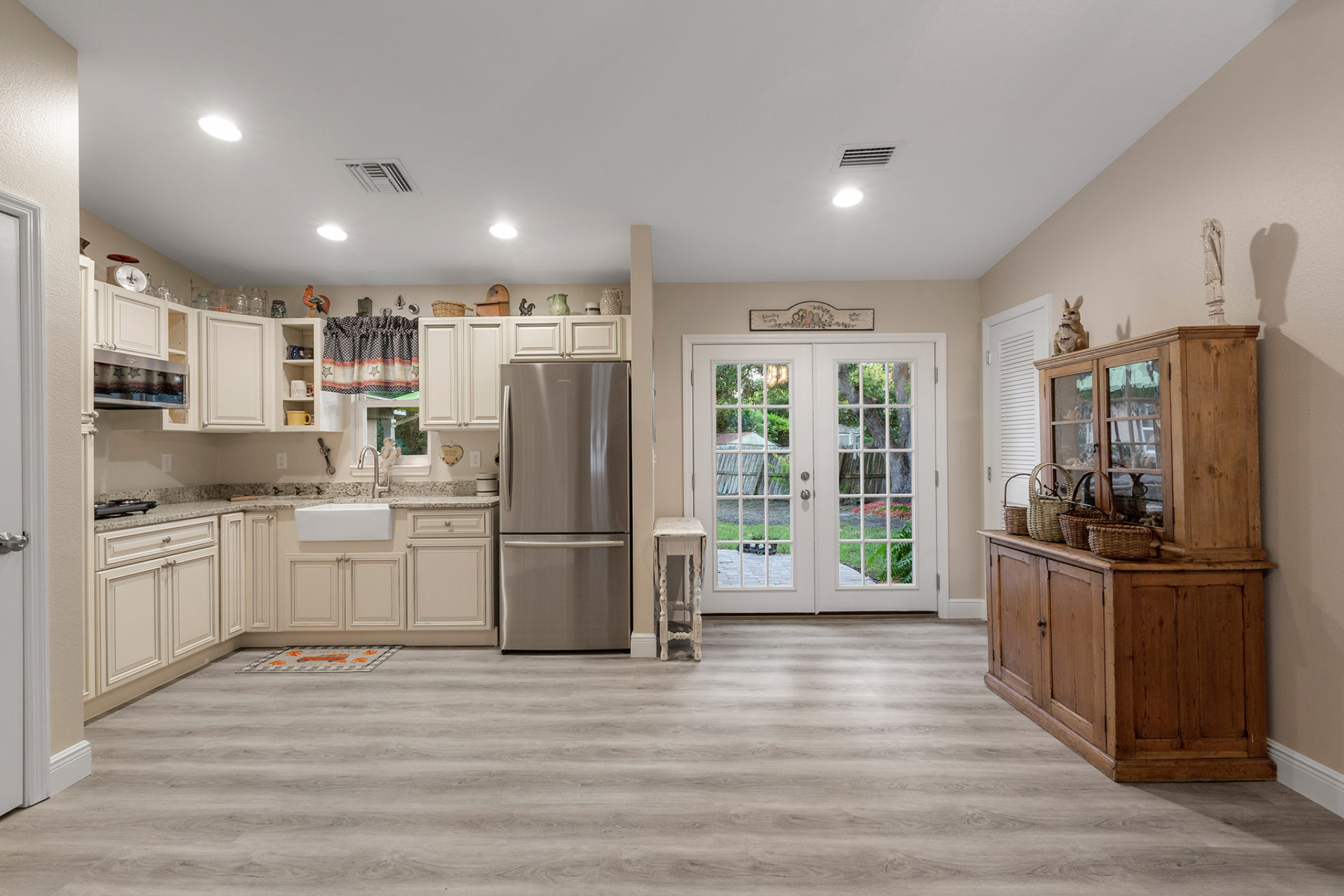
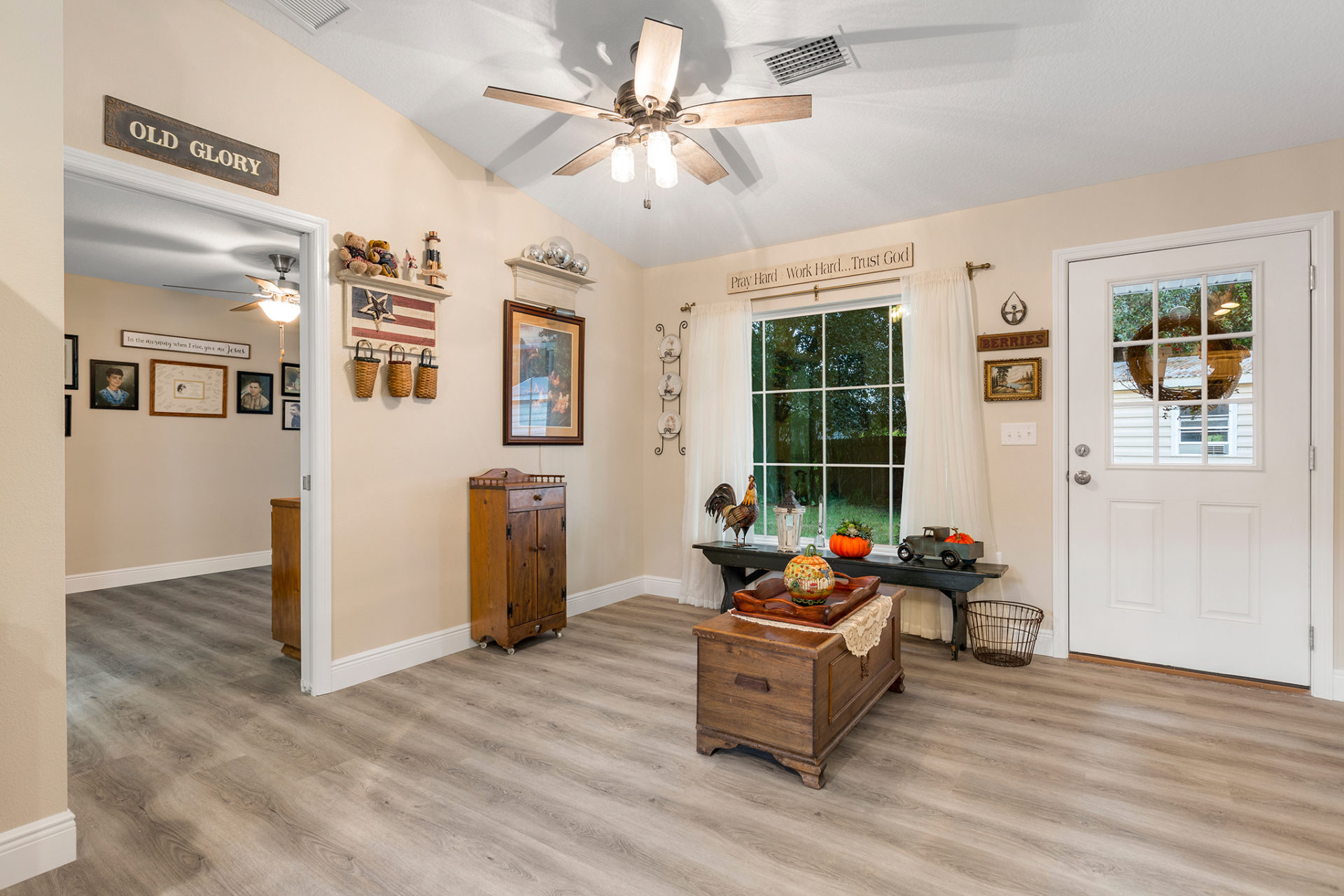
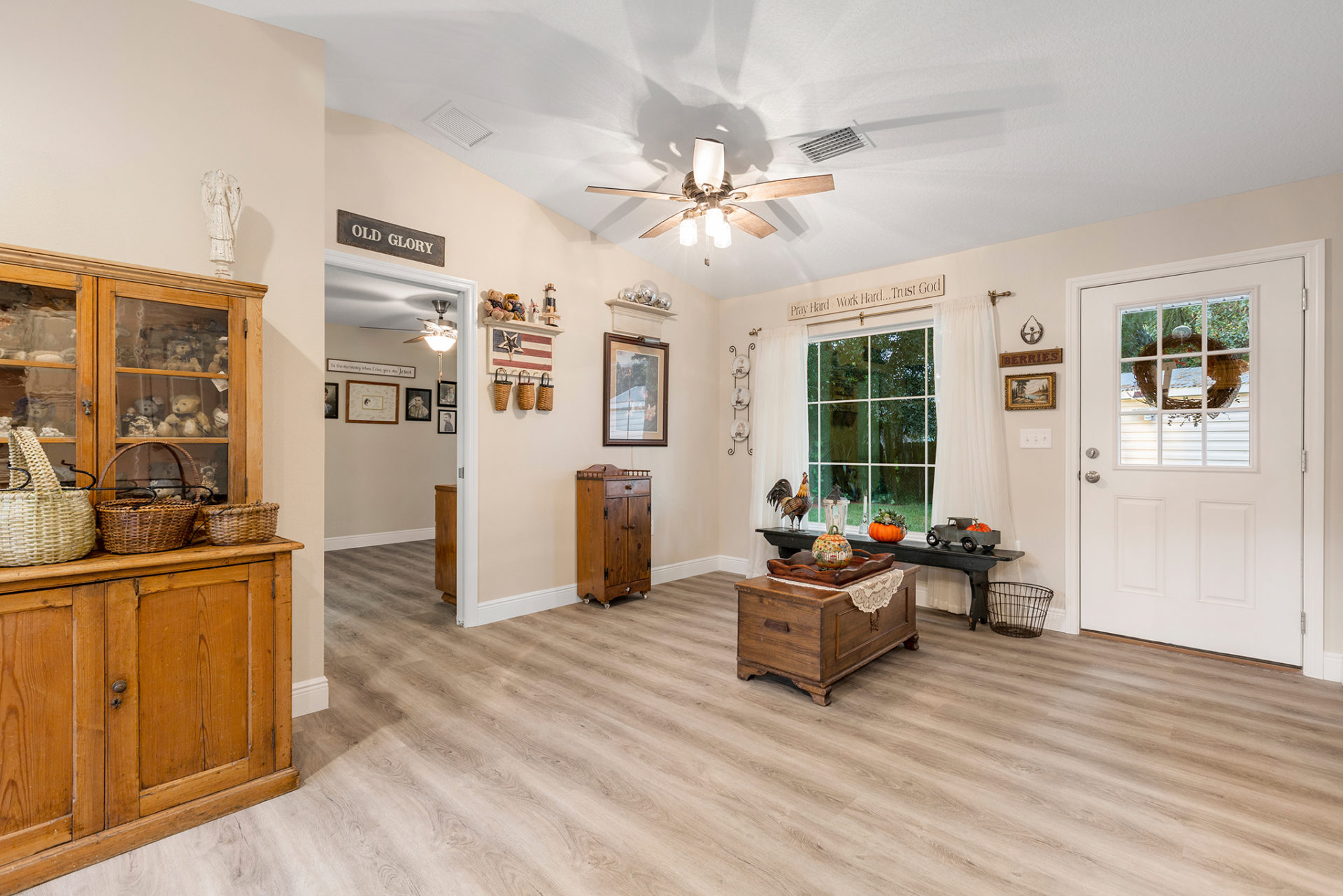
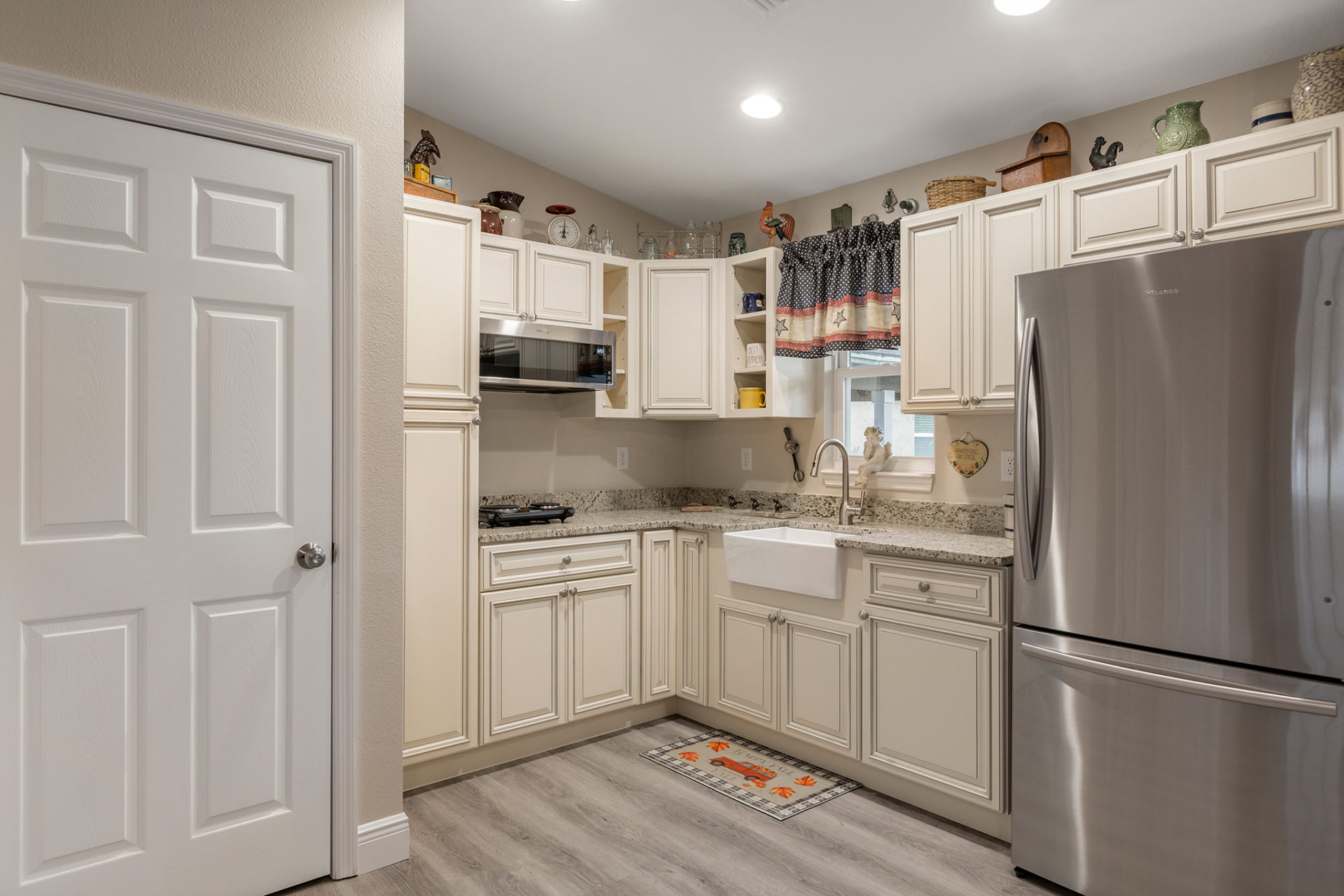
An accessory dwelling unit is a self-contained living space built on the same property as a primary home. It may be detached, attached, located above a garage, or created through the conversion of existing space. While layouts vary, ADUs are typically designed to support daily living without reliance on the main house.
What matters most is not the label, but how the space will be used over time. ADUs tend to serve multiple purposes across their lifespan, often evolving as family needs, regulations, or circumstances change.
WHY HOMEOWNERS CONSIDER ADUs
ADUs are rarely built for a single reason. Some are planned with extended family in mind, offering proximity without shared living. Others are shaped around future flexibility, whether that means accommodating guests, providing rental income, or preparing for long-term changes in how a property is used.
Because these structures are closely tied to the main home, decisions made early on tend to carry weight later. Zoning, placement, access, and utilities all influence how the space functions and how seamlessly it fits into the property as a whole.
DESIGNING WITH CONTEXT IN MIND
ADU projects benefit from careful coordination during the design phase. Site conditions, local ordinances, and architectural relationships all shape what is possible. In some cases, accessibility considerations play a central role, especially when the space is intended for multigenerational living.
C.N. Romack works alongside architects and designers to help ensure the ADU is functional, durable, and visually consistent with the existing home. The goal is not to create a separate structure that feels added on, but one that belongs to the property from the beginning.
PERMITS, REGULATIONS, AND LOCAL CONDITIONS
Accessory dwelling units are governed by local zoning and permitting requirements, which can vary significantly by county and municipality. These regulations influence size, placement, access, and use.
Rather than treating permitting as a final step, ADU projects tend to move more smoothly when regulatory considerations are addressed early. This allows design and construction decisions to align with what is permitted, reducing the need for later adjustments.
AN ADU AS PART OF A LARGER PROJECT
Although ADUs are smaller in scale than primary residences, they benefit from the same level of attention and oversight. Sequencing, coordination, and communication remain important throughout the process, particularly when the work takes place alongside an occupied home.
As with other forms of New Construction, clarity tends to emerge gradually. With the right structure in place, the project moves forward in a way that supports both immediate needs and long-term use.
If you’re considering an accessory dwelling unit and want to talk through how it might fit into your property, you’re welcome to reach out.